May
16
to May 22
Join us in May 2027 for a nationwide program of events celebrating Australian archaeology and the work of Australian archaeologists.
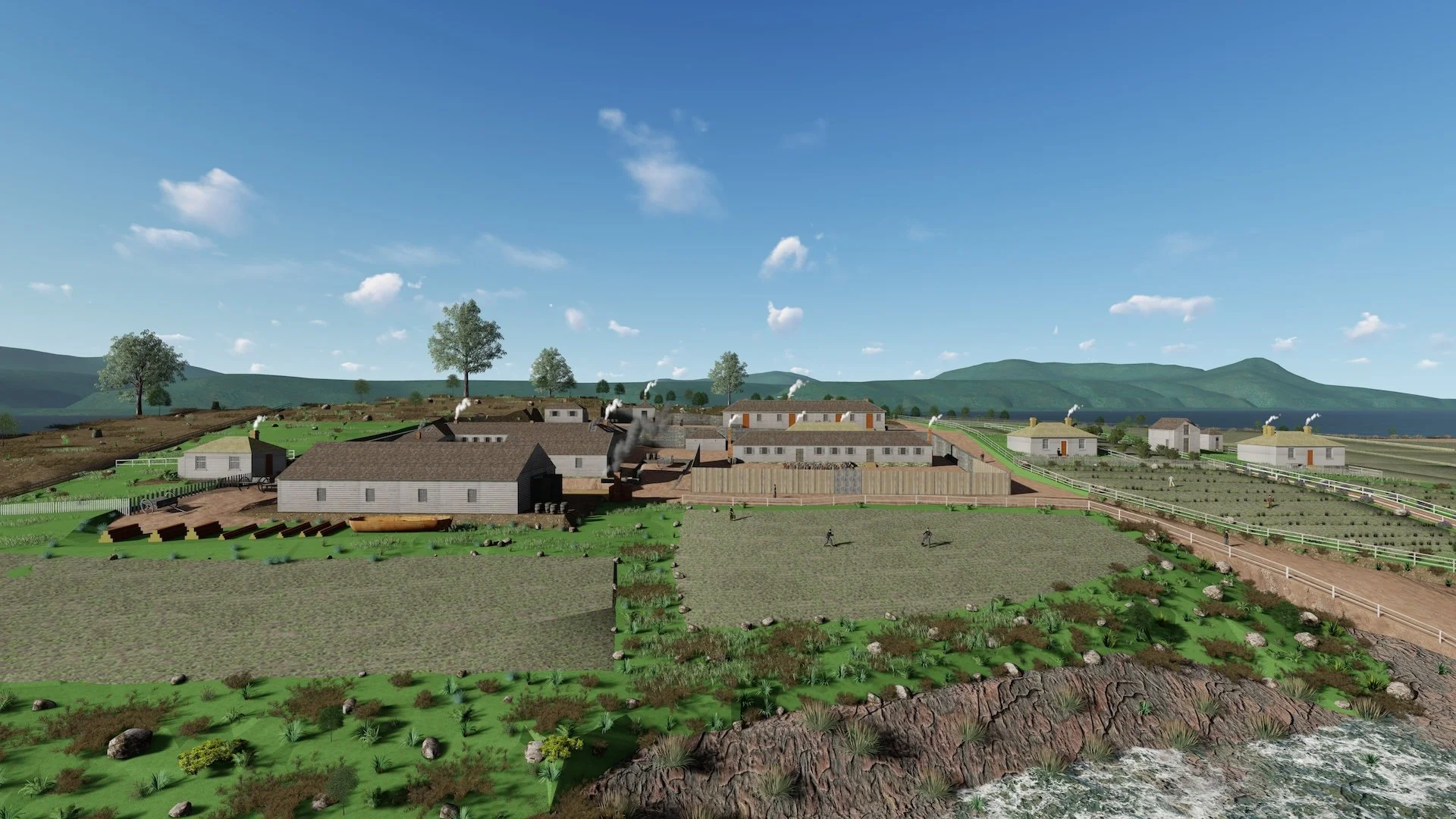
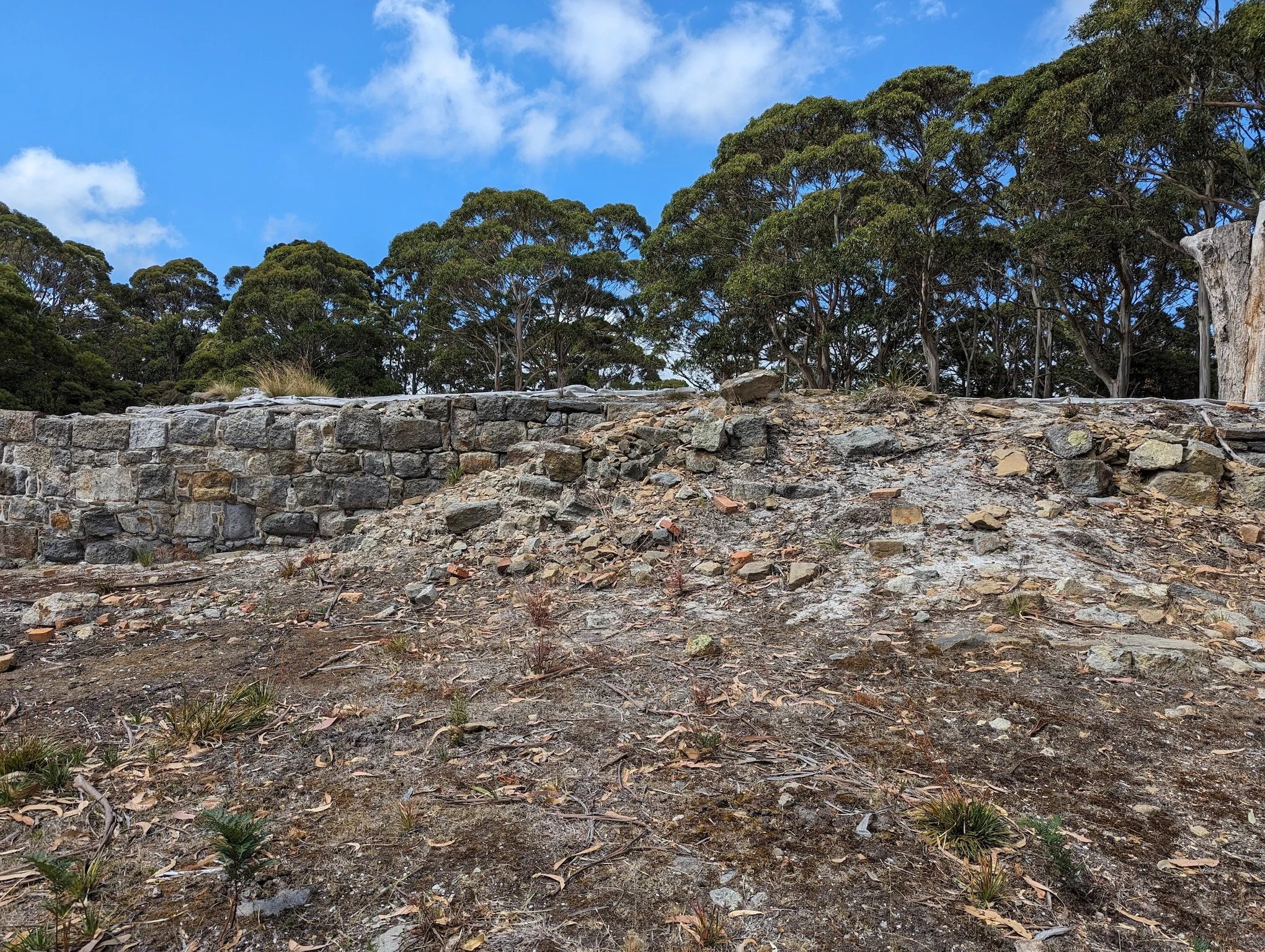
Join us for a virtual tour of Point Puer, the British Empire’s first purpose-built boys prison. This talk first explores how archaeological research and historical records have been combined to create a detailed digital recreation of the site as it may have appeared in the 1840s. We will then step inside the 3D model and explore the prison in virtual form, to gain a deeper sense of what life may have been like for the young boys imprisoned at Point Puer.
Dream of growing up to be Dr. Ellie Sattler of Jurassic Park fame? Curious about how ancient plants can help us understand past peoples, places, and practices? Join us for a relaxed archaeobotany webinar featuring three researchers chatting about what they do, why it matters, and how tiny seeds and charred plant bits can tell surprisingly big stories.
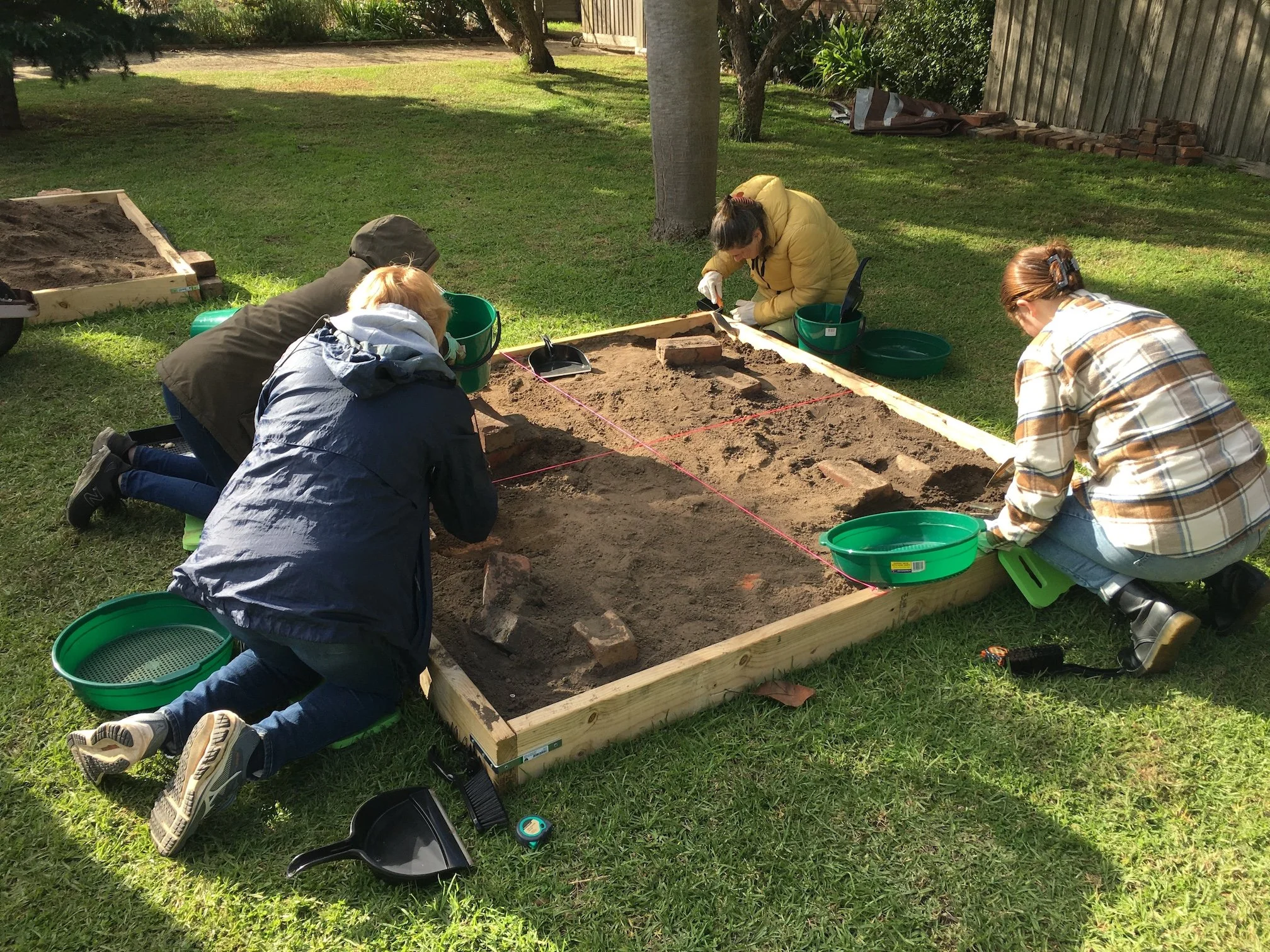
Simulated archaeological excavations are effective teaching tools across educational levels, using a hands-on approach that positions students as active knowledge-makers. This presentation discusses frameworks for using simulated excavations across an Australian context, examining examples from small-scale desktop activities to life-sized simulations designed to train future professionals.
In this time of gathering uncertainty, questions are being posed about the relevance of archaeology to contemporary Australian life. In this lecture Professor Michael Westaway considers how archaeology can contribute to contemporary understanding and decision-making. The lecture highlights community-focused research undertaken with several Indigenous communities, including the Mithaka, Dunghutti, Ngampaa, Kaurareg, and Aba Wurriya.
At a major anniversary of the introduction of Tasmanian cultural heritage legislation, the Symposium provides an opportunity to explore how heritage is understood, valued and managed today. Please come and join the discussion, and help encourage the development of best practice cultural heritage legislation for Lutruwita/Tasmania.
The extensive assemblage of archaeological material that is held by the Port Arthur Historic Site Management Authority (PAHSMA) poses a huge management challenge for the organisation. Join Sylvana Szydzik and Michael Smith to discover how a more integrated approach is helping with accessibility and with recognising the significance of the collection.
The Theban necropolis is home to New Kingdom tombs that provide vital insights into the lives of the officials who were buried there, and the times in which they lived. Intriguingly, the tombs were later reused as dwellings by Coptic Christians as part of the monastic settlement on Dra Abu el-Naga. Join Professor Boyo Ockinga, online or in person, to find out more!
As global demand for Australia’s critical and strategic minerals increases, so does the pressure on the relationship between the mining industry and Traditional Owners. How can the mining industry change the way it engages with archaeology and Indigenous cultural heritage to improve outcomes for everyone? The new ARC Training Centre for Archaeology in the Resources Sector is designed specifically to address this question. Join Prof Liam M Brady to find out more.
What are your career aspirations? What do you hope to do after completing your degree? If you’re studying archaeology, history or museum studies, your career options may be wider than you think! We’re offering students an opportunity to gain insights into career options in the GLAM (galleries, libraries, archives and museums) sector in Sydney and beyond. Staff from across Museums of History NSW will talk about their work and offer advice for those looking to forge a career in museums and archives.
Join us for the National Webinar Series, exploring archaeology across Australia and beyond, all online. Remember to check the time zone!
Drawing on the collaborative project The Real Secret River: Dyarubbin, Emeritus Professor Grace Karskens will explore the politics and importance of placenames in Australia. What can 'seeing Country whole' through cross-disciplinary, community-led work mean for Aboriginal cultural renewal, public landscapes, and broader public understanding of Aboriginal culture and history?
Join us in May 2026 for a nationwide program of events celebrating Australian archaeology and the work of Australian archaeologists.
Join stonemason Rohan George to discover masonry processes including quarrying and the working of stone for building construction, with a particular focus on Point Puer. The talk will offer perspective on the heavy labour endured by the convict boys at the nineteenth-century trade school and reformatory.
A series of online talks recognising the contributions of archaeology to our knowledge and understanding of Australian convict heritage, hosted by Port Arthur Historic Site.
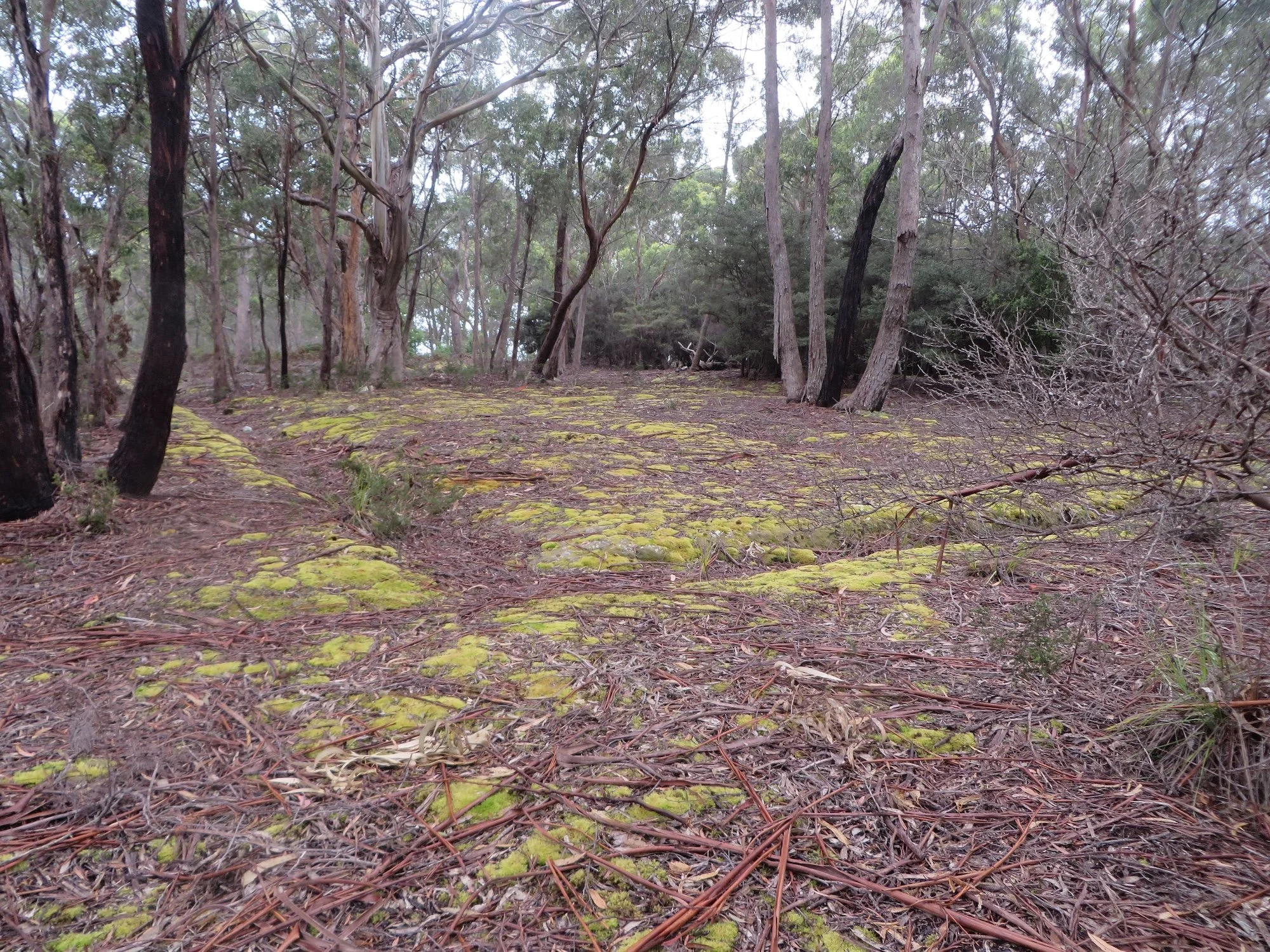
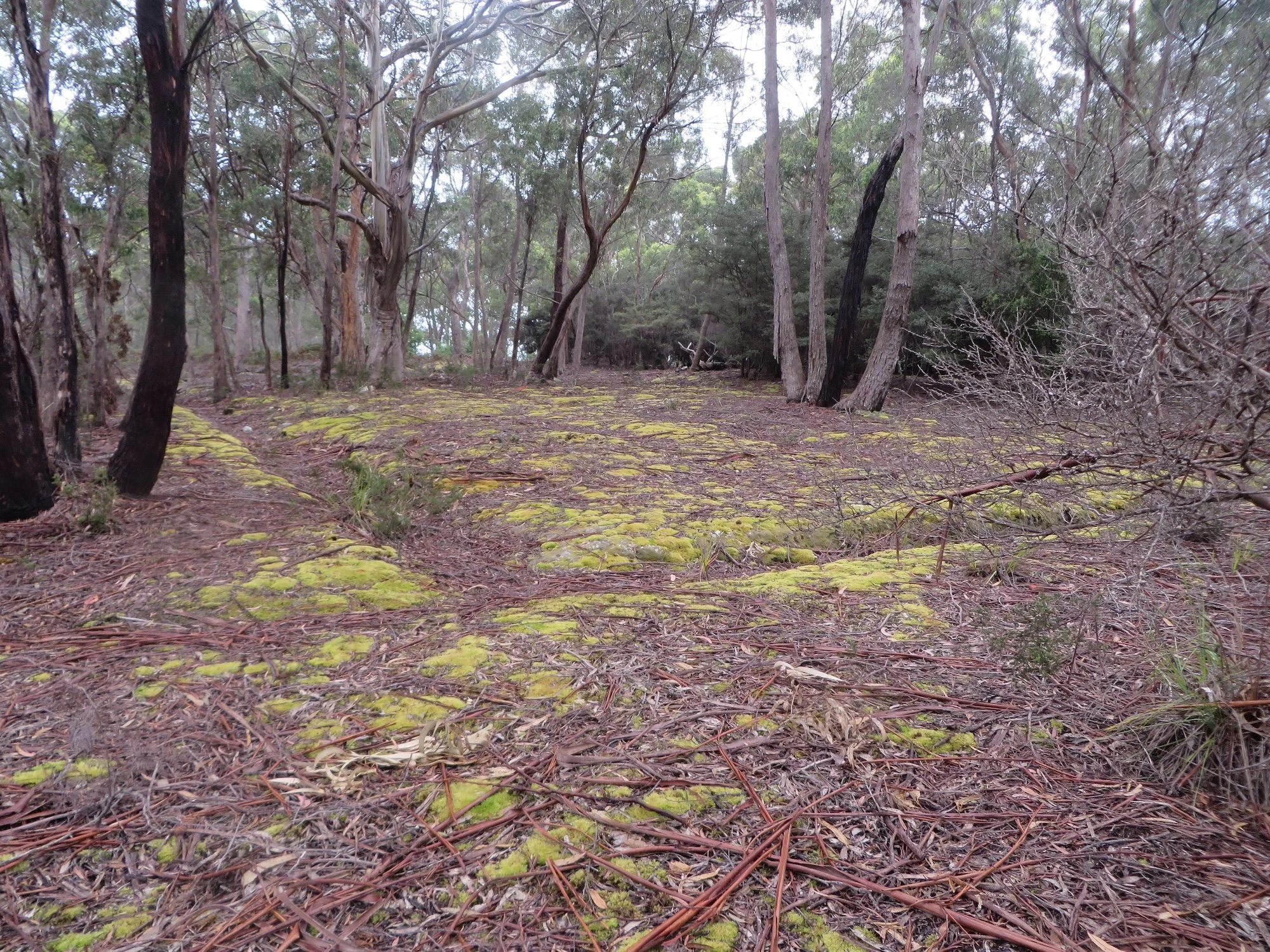
Once a trade school and reformatory for over 700 convict boys, Point Puer Boys' Establishment (1834–1849) survives today as a largely unexcavated archaeological landscape. In this talk, Caiti D'Gluyas will focus on the archaeological landscape to interpret the spatial logic of the domestic, institutional and punitive spaces.
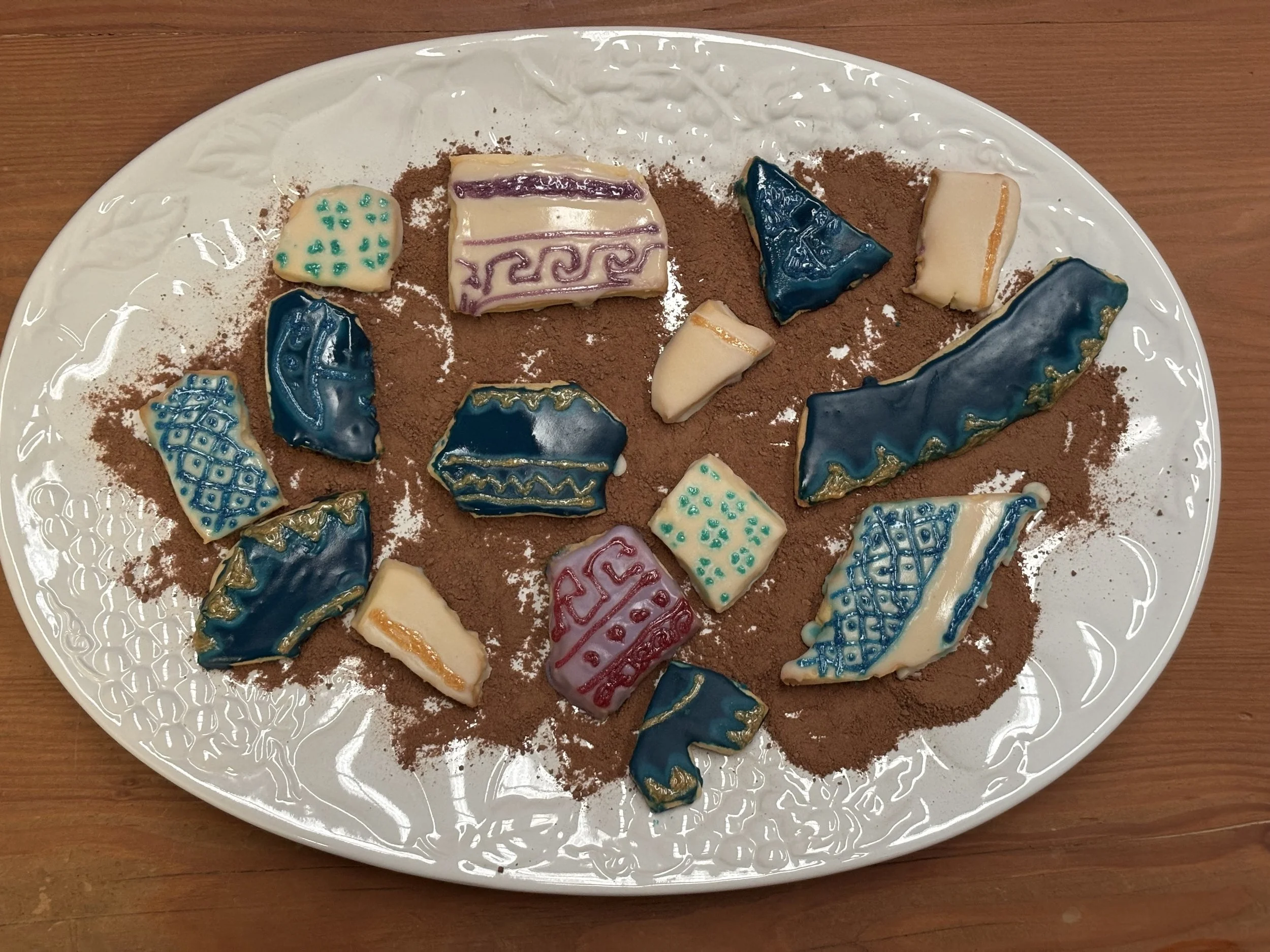
Bake or make a creation inspired by archaeology! Knit a scale bar, bake artefact biscuits, model a monument, the only limit is your imagination.
Be it in the archives, or the archaeological landscape of Port Arthur, there’s an idea that convict studies are done. In this talk Richard Tuffin will draw on his experience as a research and commercial archaeologist to attempt to convince you convict studies are in fact alive and kicking.
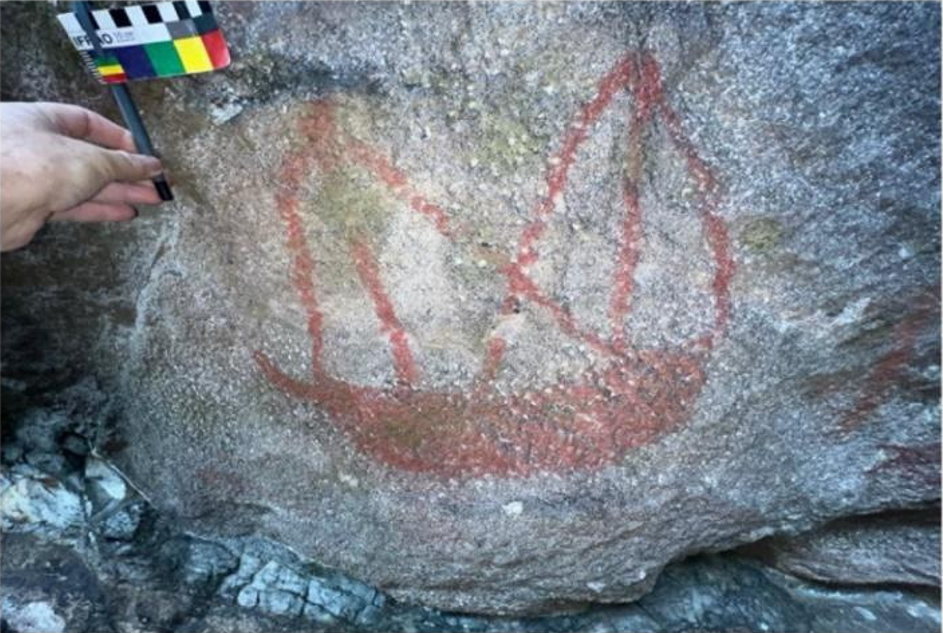
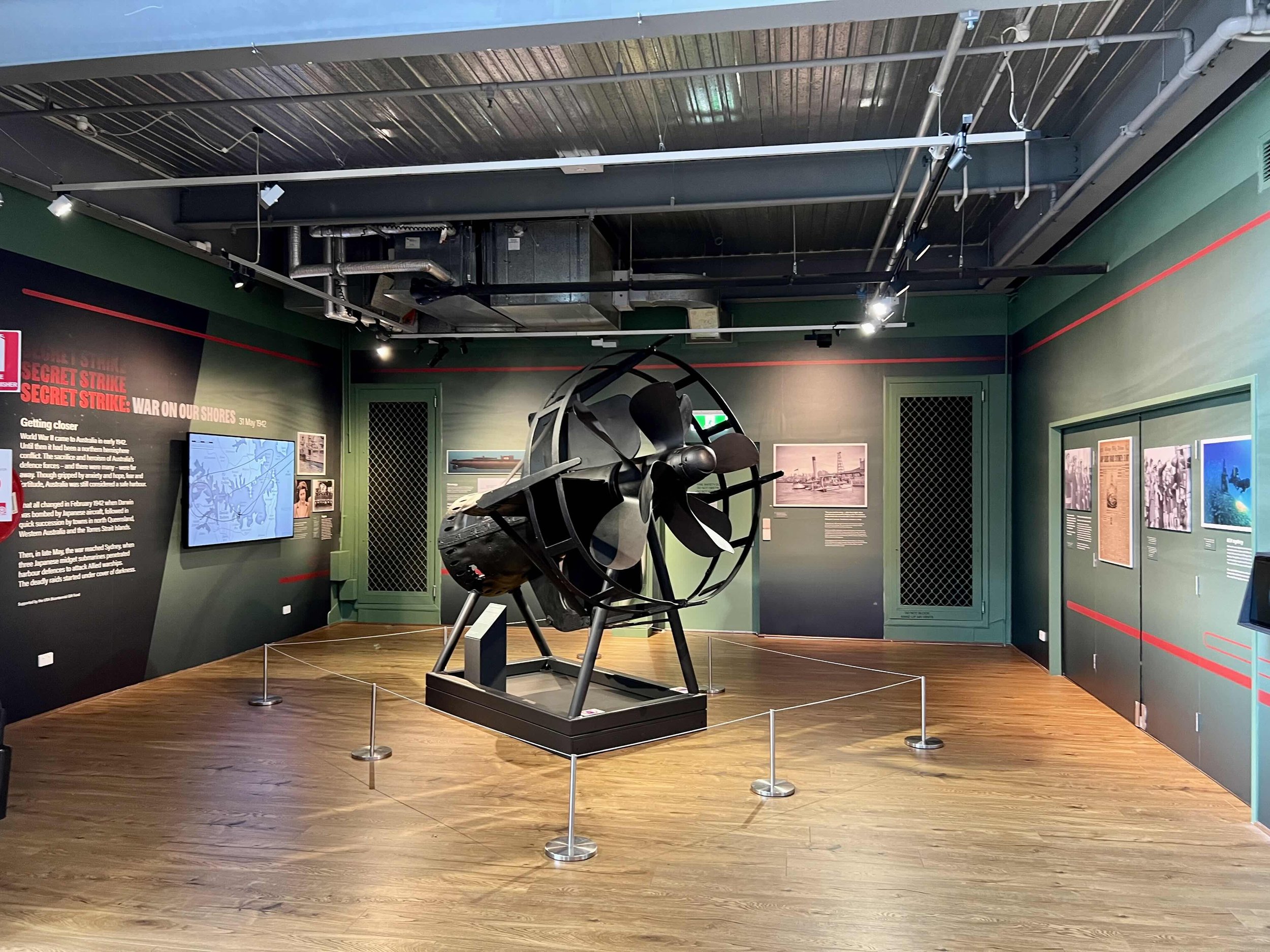
Celebrate National Archaeology Week with an exclusive online seminar commemorating the 80th anniversary of the end of World War II, with a special focus on wartime ships and submarines.
In the lead-up to the 10th World Archaeological Congress in Darwin (22–28 June 2025), this pre-conference panel brings together keynote speakers and conference organizers to explore the urgent and complex challenges facing our world today—climate change, conflict, discrimination, systemic injustice, and cultural erasure.
Celebrate the launch of a new collaborative volume that reveals the dispersal of ancient Mediterranean cultural heritage in Australia and Aotearoa New Zealand. Join the editors and authors as they introduce the research embedded in this new volume and its primary themes of provenance, pedagogy, participatory programming and museum ethics.
For nearly 25 years, the Market Street Chinatown Archaeological Project has been piecing together the lives of the Chinese and Chinese American residents of San José's historic Market Street Chinatown (1862-1887). Now, a new perspective is emerging through the fascinating analysis of glass artifacts. Set your alarm to hear Dr Kim Connor provide new insights into the social and economic networks that the Chinatown’s residents maintained in China and created in their new homes.
EVENT CANCELLED. We regret to advise that this event has been cancelled. The RAHS hopes to reschedule the lecture at a later date.
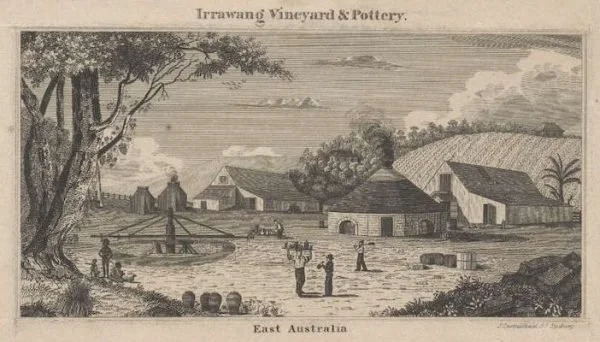
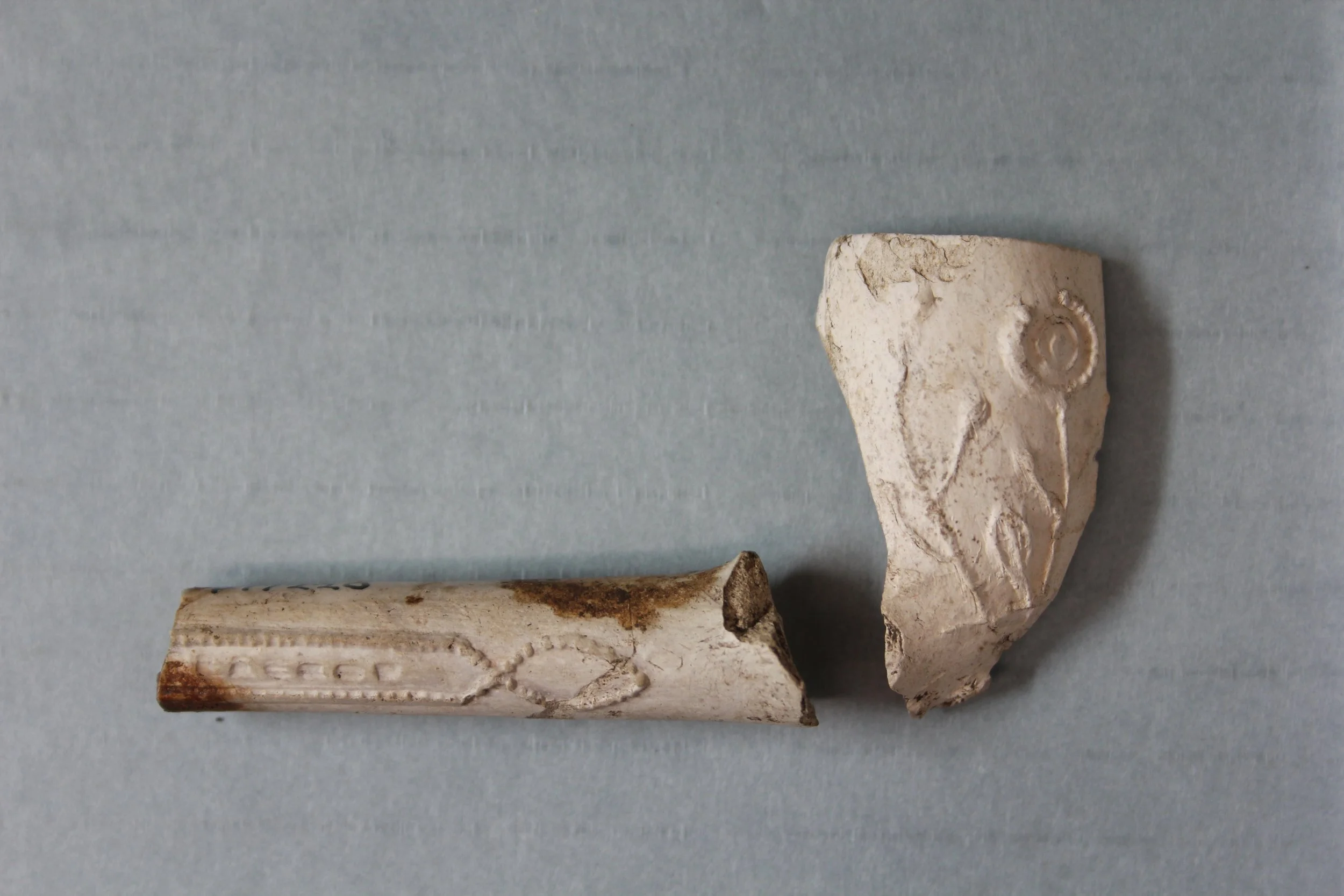
Just north of Raymond Terrace, near the Williams River, lies Irrawang, a site important for its early colonial industry and for being one of the earliest historical archaeological projects in Australia. This session, presented both in-person and online, aims to present what is known about the site’s history and archaeology.
On the site of the Macquarie Theban Tombs Project in Luxor (Egypt), every year, thousands of sherds are recovered. Last season a sizeable group of sherds posed a special challenge. A good number of fragments could be joined but it was very clear: this is not a vessel. What could it be? In this lecture Dr Susanne Binder will explore the process of finding answers to this burning question.
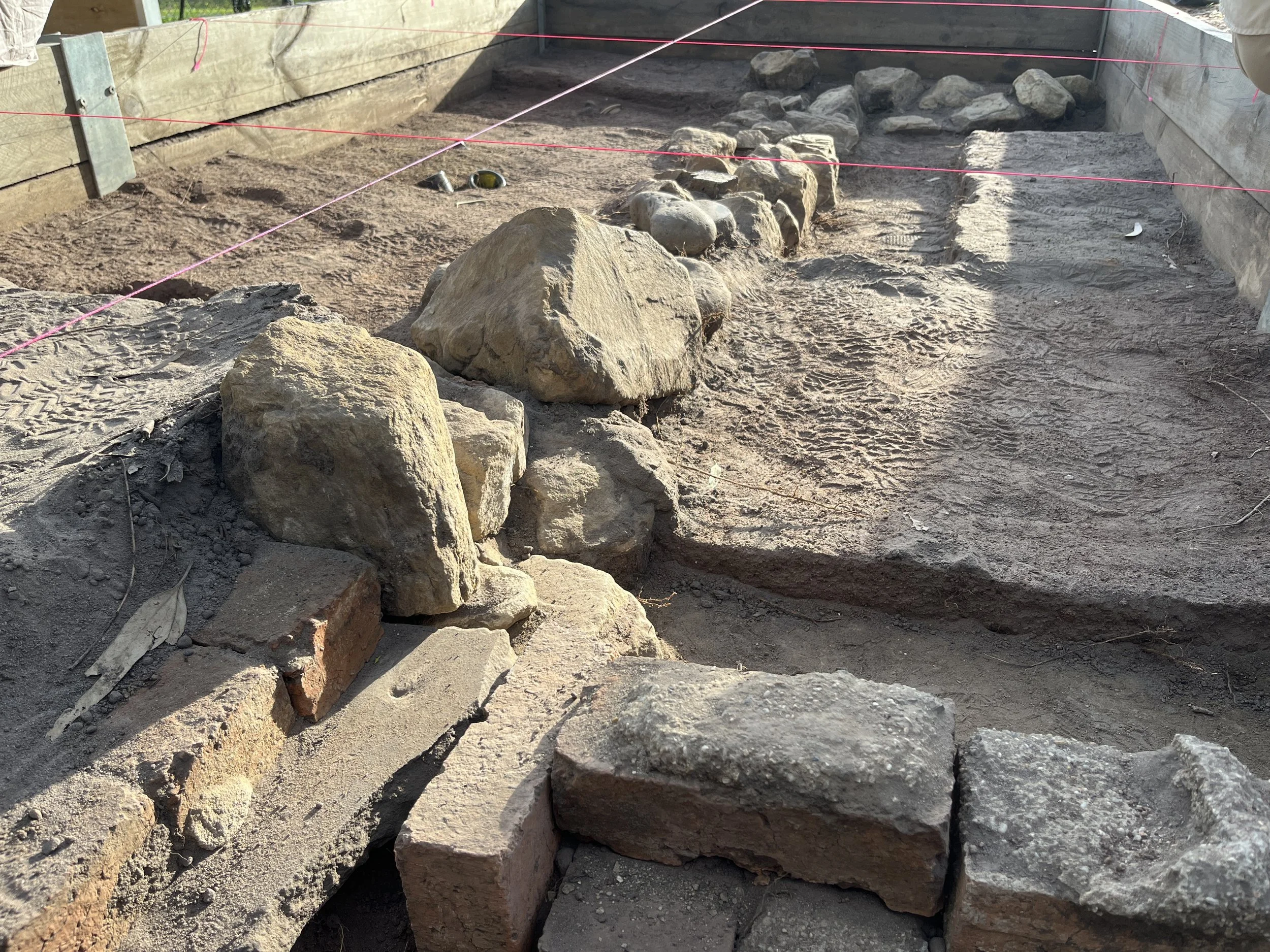
Drawing on more than a decade of research across Australian convict sites, including at Point Puer and the First Prisoner Barracks at Port Arthur, Caiti D'Gluyas explores a researcher's perspective of what happens to archaeological evidence after it is discovered. This talk aims to pull back the curtain on the archaeological process, revealing how archaeologists engage with legacy data.
In this talk, Dr Paul Irish will revisit research into the archaeological evidence of the continuing occupation of Sydney by Aboriginal people after 1788. Paul will consider how a history once obscured by ignorance, and often overlooked in the artificial divide between ‘historical’ and ‘Aboriginal’ archaeologies, can be made visible.
As part of Australia's National Archaeology Week in May, please join an informal, virtual session to meet other scholars working on Chinese diaspora historical archaeology! Chinese diaspora historical archaeology has been flourishing over the last decade, and this meeting is designed to facilitate networking and respectful conversations between scholars working on similar topics in different parts of the world.
The inclusion of Australian deep time histories within primary and secondary classrooms presents a unique opportunity to share what we do with the next generation of students. This webinar will provide an outline of the opportunities for deep time learning within the curriculum, and will introduce a range of core principles for designing effective classroom programs.
Join us for the National Webinar Series, exploring archaeology across Australia and beyond, all online. Remember to check the time zone!
The ‘fall’ of the Roman Republic is undeniably important for our understanding of much of the subsequent history of the Mediterranean world, the evolution of European political thought, and the wider history of what might be considered ‘Western’ civilization. Can the fall of the Republic be understood through the use of modern scholarship on democratic decay and authoritarian takeovers?
Join us in May 2025 for a nationwide program of events celebrating Australian archaeology and the work of Australian archaeologists.